
The Natural Bridge
of Fonseca
The ornithological route is entirely included in the ZEPA (special protection area for birds) called “Río Guadalope-Maestrazgo” with more than 54000 ha in the wildest area of Teruel. The starting point is the parking lot located at the entrance to the village of La Algecira, belonging to the municipality of Castellote. The outward journey is 5 km long, with very little positive slope. To begin with, you have to go down the alley that passes under the parking lot and heads towards the Guadalope River next to the washing place. Once in the river, the path continues along the riverbank until it reaches the breakwater where it connects with the local trail SL-TE-31, which leads to the Fonseca Bridge, declared a Natural Monument in 2006 by the Government of Aragon. The trail runs between the riparian forest dominated by poplars, ashes and willows and the Aleppo pine(Pinus halepensis) accompanied by limestone scrub, full of junipers, black junipers, rosemary, bogs and gorse. An ecotone, in which we can observe birds of fluvial environments, forest birds, typical birds of the Mediterranean scrubland and a group of rock birds that inhabit the rocky limestone cliffs that the Guadalope has uncovered.
Among the birds most closely related to the river ecosystem, the dipper stands out as a bioindicator of good river quality wherever it lives. It is capable of diving to capture its favorite prey, trichoptera larvae. These are aquatic insects that live at the bottom of well oxygenated rivers, known to build tubular protective cases using waterproof silk, joining pebbles, sand or plant debris. The kingfisher is also very interesting and known for its colorful plumage that feeds on small fish that it catches with its harpoon-like beak. Other birds that use this aquatic environment in Guadalope are the yellow wagtail, the nightingale, the common moorhen, the common moorhen, the European rail, the grey heron, the mallard or the little sandpiper.
Rupicolous birds
They live adapted to the vertical world of walls, ledges, crevices and caves that they use to install their nests as an effective protection against the possible predation of a multitude of predators. Among them are the large birds of prey such as the griffon vulture, which has one of the largest breeding centers in the Iberian Peninsula. The bearded vulture, a species in danger of extinction and recently reintroduced, is in full adaptation in the Guadalope gorges. The Bonelli’s eagle, also catalogued as endangered, has one of the few nesting areas in the province of Teruel. Other birds of prey are common, such as the golden eagle, the summer Egyptian vulture, the peregrine falcon or the eagle owl. In addition, other birds live; the Red-billed Chough, the Alpine Swift and the Solitary Rock Thrush. With luck, the wallcreeper can also be detected during the winter or in its migratory movements.


Main birds detectable along the route

Kingfisher(Alcedo atthis)
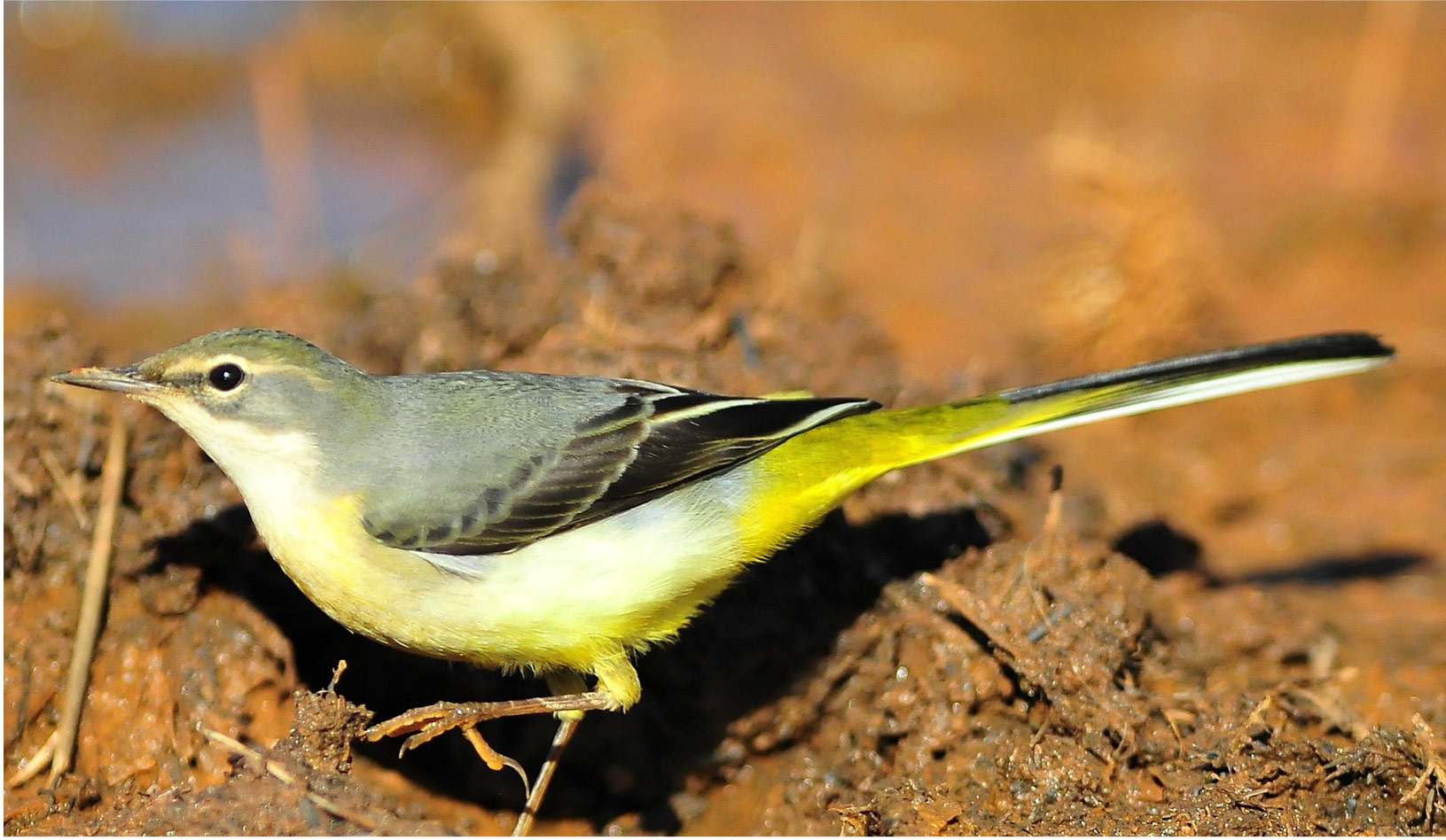
Grey Wagtail (Motacilla cinerea)
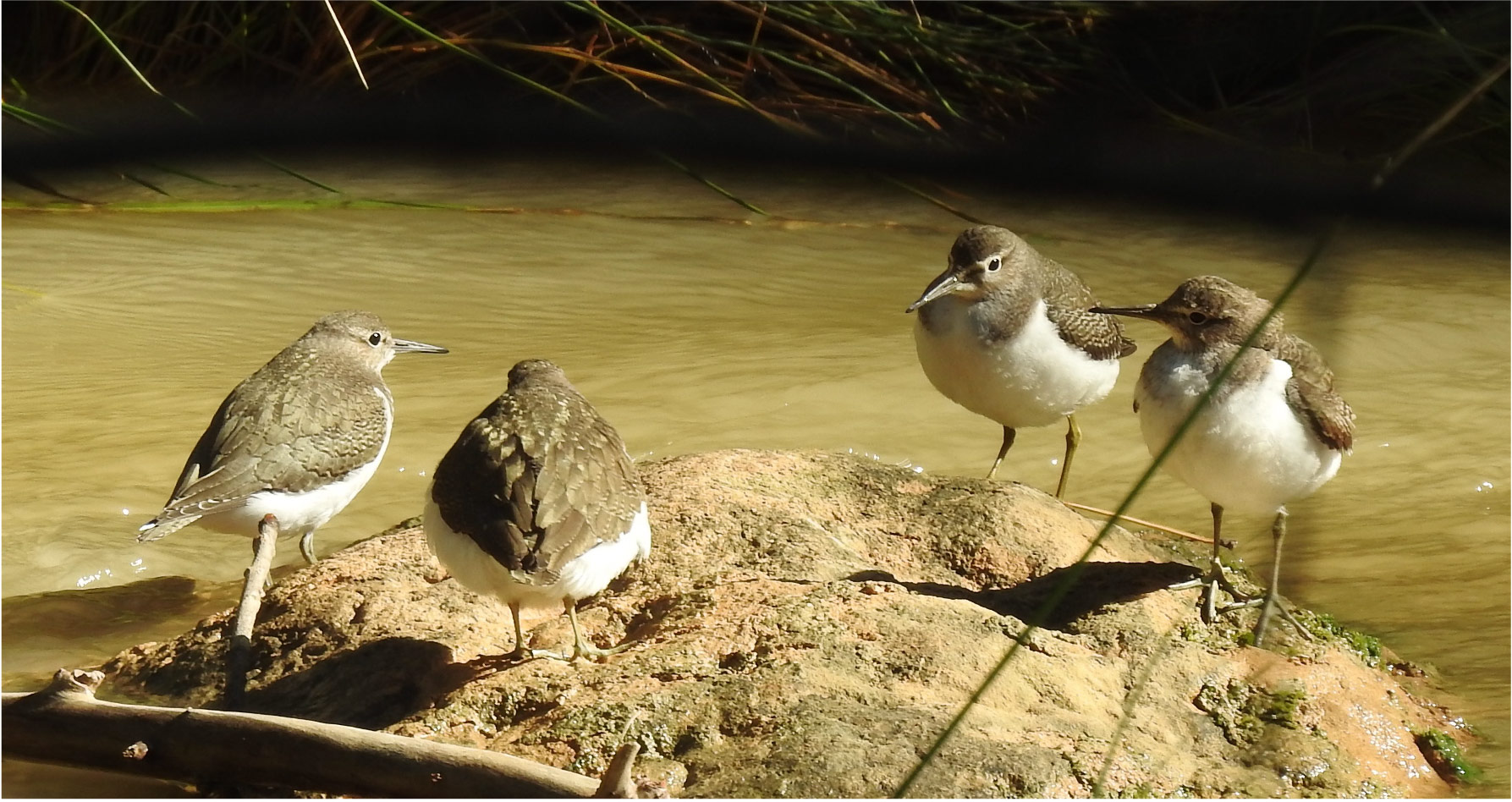
Little Sandpiper(Actitis hypoleucos)

Hawfinch(Coccothraustes coccothraustes)
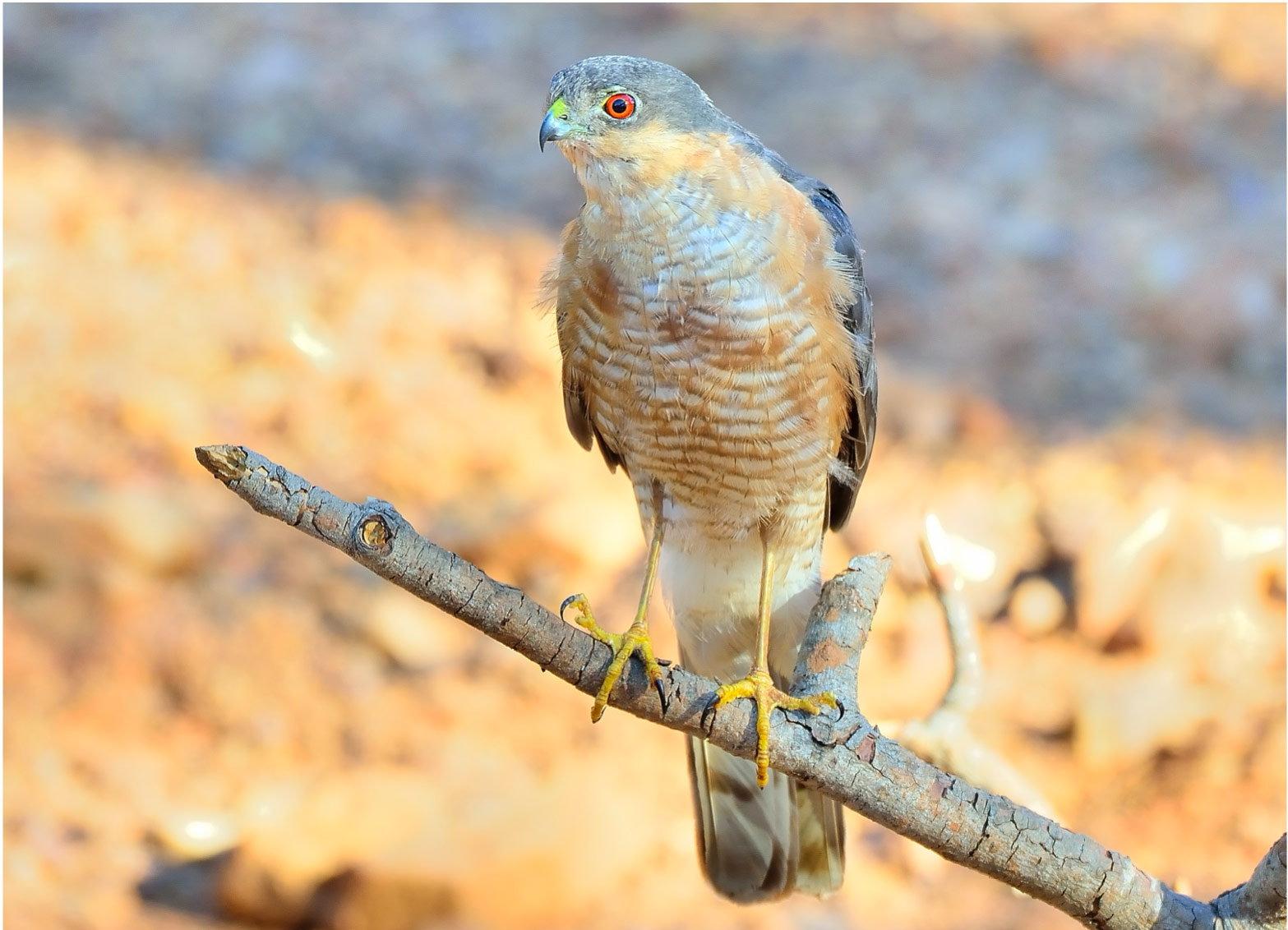
Sparrowhawk(Accipiter nisus)

Hoopoe(Upupa epops)

Common ground cover(Calandrella brachydactyla)

Blackcap (Warblerundata)
Short-toed treecreeper, great spotted woodpecker, chaffinch, wren, blackcap, blackbird, blackbird, thrush, robin, greenfinch, greenfinch, great tit, coal tit, wagtail, wagtail, wagtail, nightingale, nightingale, common moorhen, razorbill, grey heron, mallard, little sandpiper, dipper, kingfisher, coal tit, chickadee, oriole, oriole, nightingale, Cirl bunting, bearded vulture, griffon vulture, lammergeier, golden eagle, Egyptian vulture, peregrine falcon, eagle owl, red-billed chough, red-billed chough, Alpine swift, solitary rock thrush, black warbler, blackcap, black-winged warbler, dartford warbler, wheatear, wheatear, wheatear, black wheatear, linnet, towhee, hoopoe, tree sparrow, tree sparrow, stonechat, woodchat shrike, bee-eater, rock thrush, common swift and Alpine swift.