
Route through the poplars at the headwaters of the Guadalope River
River route between Villarroya and Miravete
About 6.5 kilometers separate Villarroya de los Pinares de Miravete de la Sierra, the itinerary is also marked with yellow and white marks belonging to the short distance trail PR-TE 64. From the school of Villarroya you have to go to the mill below by an old bridle path. After crossing the river by a wooden lever you have to go up to the road to do a short stretch along it. After a few meters, several indications will guide us to the right to go down again to the riverbed, where we find the snail fountain and a shady grove where Montpelier maples(Acer monspessulanum), hazelnut trees(Corylus avellana), some oaks (Quercus faginea) and guillomos(Amelanchier ovalis) stand out. From here, up to Miravete de la Sierra, the route runs along the Guadalope River, always marked by centenary poplars, a singular element of the route.
Poplar headers
The origin of these trees is to be found in the need to obtain wood and fodder in highly deforested territories, with great livestock pressure. Despite the loss of the original riparian forest, the riverbanks have begun a renaturalization as the traditional management of escamonda or trasmoche has practically disappeared. Many poplars are old and offer a large number of ecological niches for a rich biodiversity, numerous shrubs are beginning to generate an incipient undergrowth and the grasslands are becoming more diverse.
Birds of the Guadalope and their migrations
Birds, thanks to their ability to fly and the phenomenon of migration, have been able to colonize practically all habitats on Earth, although the geographical distribution of each species may vary over time in the annual cycles, according to their needs and vital ecological requirements. Some, depending on the latitude at which they reproduce, will be forced to move to more benign territories with better feeding conditions in unfavorable seasons. Thus, in the Iberian Peninsula we can speak of breeding birds, which include resident birds that remain all year round in the territory and summer birds that visit us only during the breeding season and winter further south. Wintering birds, however, breed in more northerly latitudes and descend to Mediterranean countries during the winter. Finally, there are the birds that we only observe on their migratory journeys. In the headwater poplars of the Guadalope there are examples of all of them. Some of them, along the route have a QR code, to learn more about them.
Breeding bird community
Numerous resident birds are common, generally birds that begin their breeding season in late winter and early spring, just before the summer birds arrive. These include nuthatches, nuthatches, European short-toed treecreeper, Cirl Bunting, Blackbird, Palearctic wren, robin, blackcap, blackcap, greenfinch, chaffinch, chaffinch, coal tit, blue tit and coal tit.
Among those that visit us during the spring are the Eurasian wryneck, tree pipit, common cuckoo, European oriole, pied flycatcher, gray flycatcher, warbler or common nightingale.


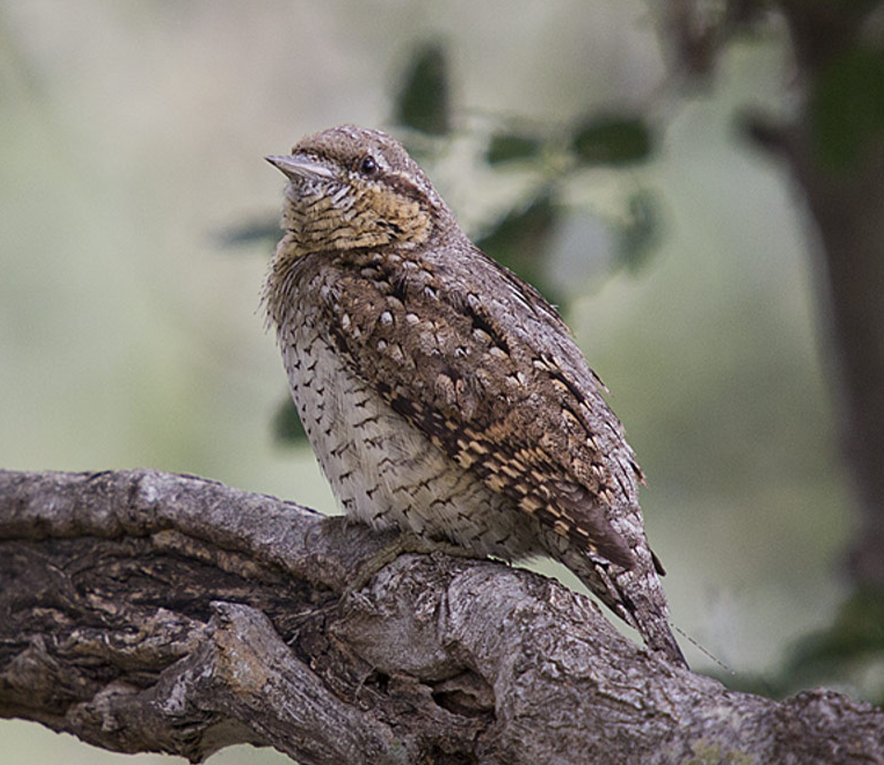
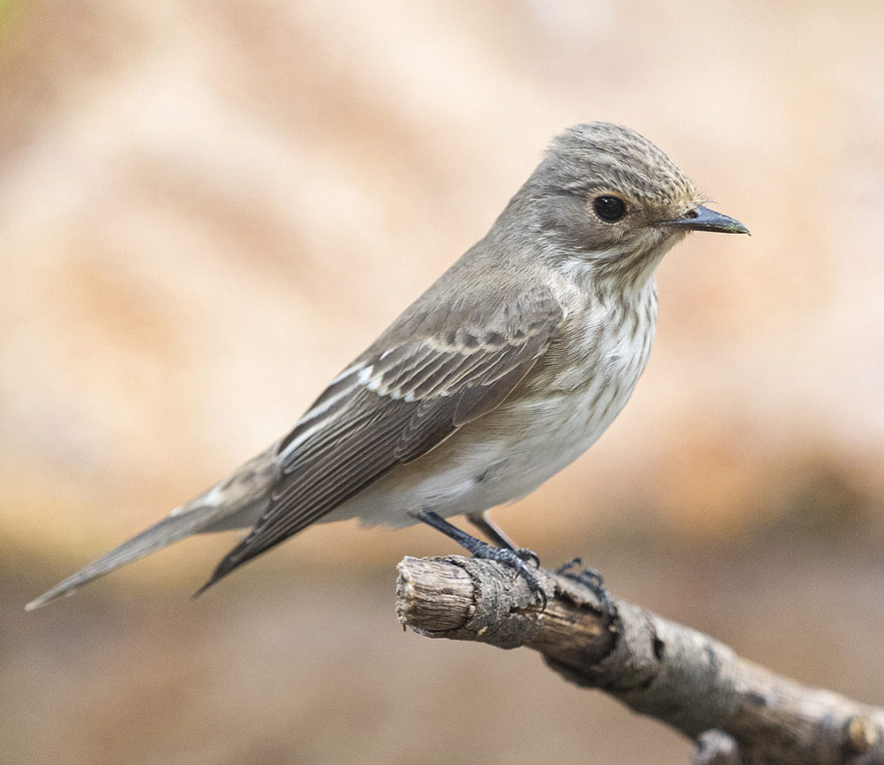
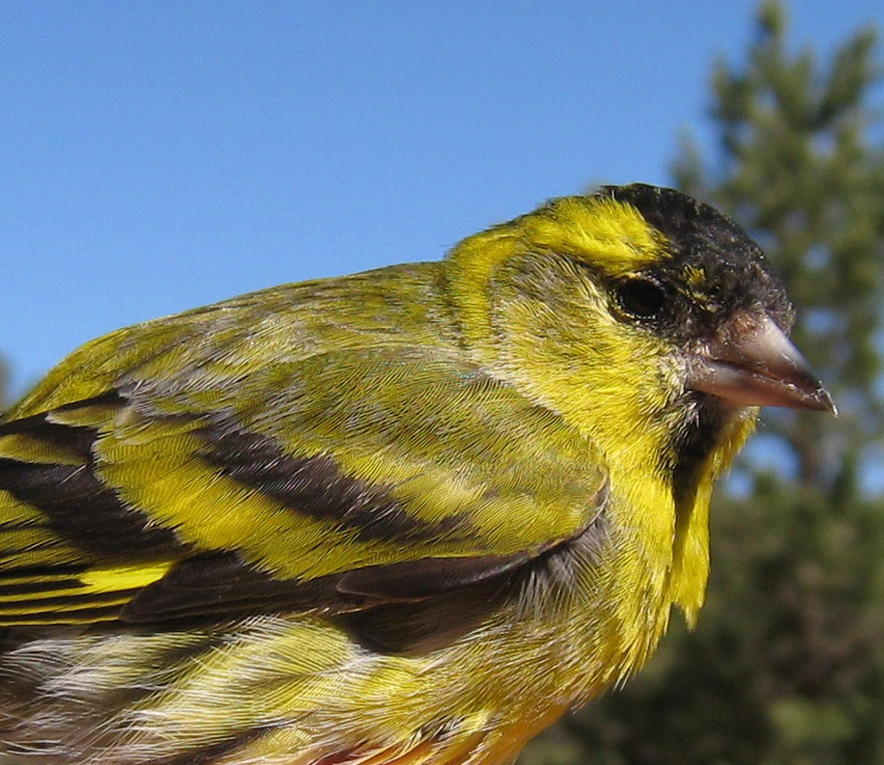
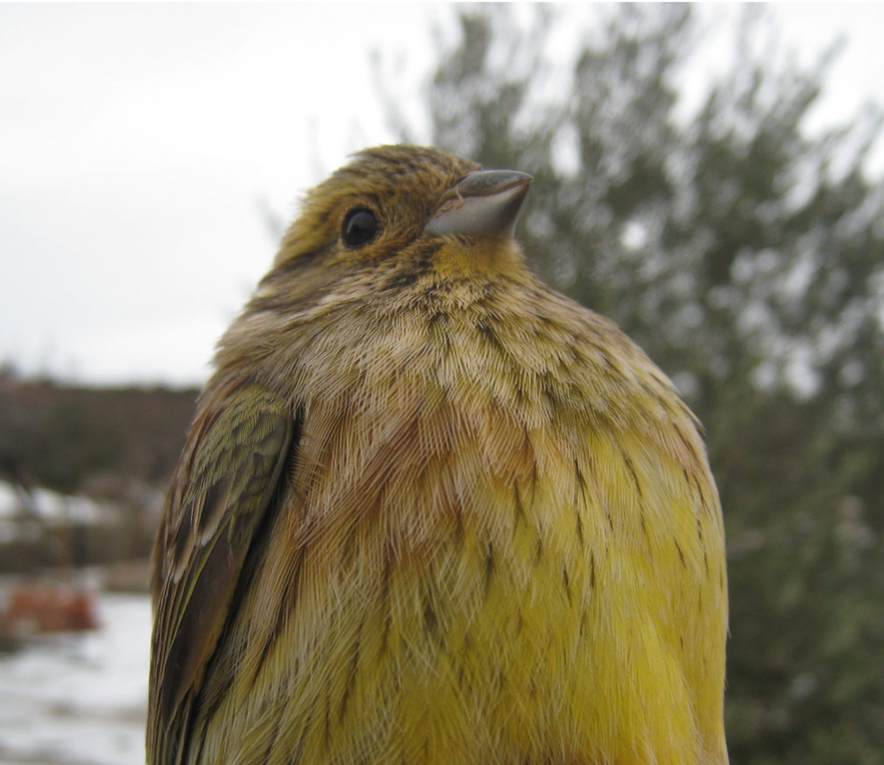

Wintering bird community
Birds that breed in higher European latitudes, but in winter they move, in this case to peninsular latitudes. A clear example is the red-winged thrush, where flocks of several dozen birds can gather, intermingled with other birds, to feed on the fruits of the hawthorn, wild rose or blackthorn. Another bird that visits us in winter is the siskin, related to the cardinals. They are opportunistic birds that breed in the coniferous forests of central and northern Europe, but make winter irruptions, some years in large numbers in search of food that is scarce in their breeding areas. The colorful and striking Yellowhammer is also a regular winter visitor.
Birds in migratory passages
Detectable only during their migratory journeys. During the spring in the prenuptial migratory passages, from their wintering areas to their breeding areas in central and northern Europe and during the late summer and autumn in their postnuptial migratory passages, from the breeding areas to Africa, crossing the Sahara desert in their migrations twice a year. The musical warbler, the pied flycatcher and the redstart fulfill this circumstance in headwater poplars of the Guadalope, discreetly but with copious specimens.

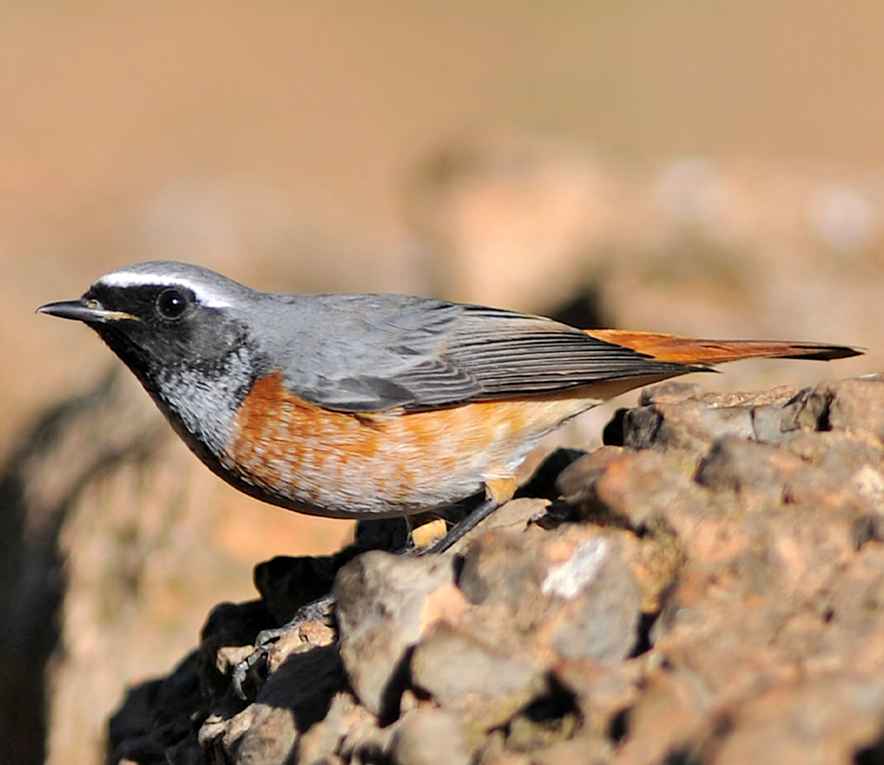
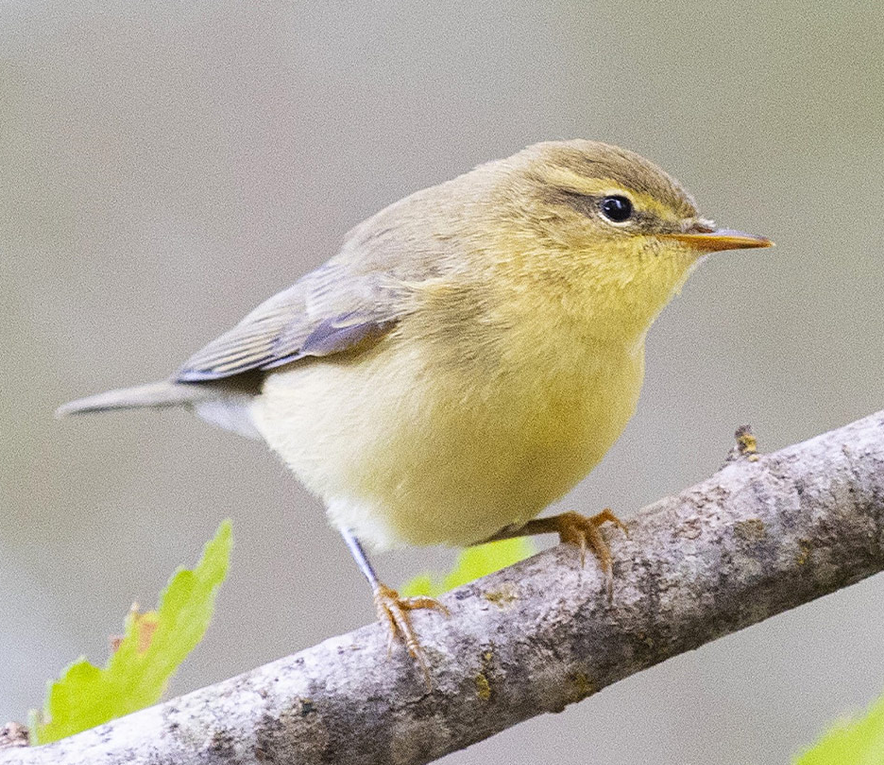
nuthatch, nuthatch, European treecreeper, Cirl bunting, blackbird, wren, robin, blackcap, blackcap, green warbler, common tit, chaffinch, great tit, blue tit, coal tit, coal tit, Eurasian wryneck, Eurasian wryneck, bee-eater, oriole, cardinal, tree pipit, common cuckoo, European oriole, pied flycatcher, flycatcher, warbler, warbler, nightingale, song thrush, song thrush, redwing, redwing, siskin, siskin, pied bunting, chiffchaff, chiffchaff, pied flycatcher, pied flycatcher, black redstart, stonechat, redstart, chough, booted eagle, sparrowhawk, woodpigeon and scops owl.