
The Maestrazgo paramounts
The proposed ornithological route consists of 6 km, practically without any slope, very comfortable for all audiences and ending at the same starting point. The first meters of the itinerary coincide with the path of the pylons, an old Royal Road between Teruel and the towns of the Levante to facilitate the transport of raw materials. After leaving the pylons on the right the route continues along the track towards Villarroya de los Pinares. Once you leave behind a reforestation of pines the view opens up and you can contemplate in its maximum splendor the amplitude of the moorland. The path heads towards the telecommunication antennas where magnificent views of Villarroya de los Pinares and its spectacular geological environment await us. From here you have to undo the path until you find a forest track that will gradually separate to the right of the march. Soon the route enters the pine forest until the end of the route. Before, at the crossroads, we must take the main track to the left, and it will take us to the beginning, thus closing the circular route. Along the route several beacons, through a QR code will lead you to know more details of the steppe birds of the place.
Main birds detectable along the route
They are specialized to live in flat, open and clear habitats such as grasslands, drylands, steppes or moors. They have some common characteristics; they nest on the ground, have a very cryptic plumage and develop complex nuptial courtships or striking songs with acrobatic flights at high altitude. They are the most endangered group of birds in Europe due to agricultural intensification, loss or transformation of their habitats and the disappearance of extensive livestock farming.
The Maestrazgo moors are connected to the high Alfambra moorlands, forming an area of great interest for the conservation of these species. In these vast expanses live some of the most characteristic birds of this group, such as the Dupont’s lark (Chersophilus duponti), the black-bellied sandgrouse(Pterocles orientalis) or the black-winged plover(Burhinus oedicnemus).
Undoubtedly, the most interesting one is the rocín, an endangered Ibero-Maghrebi endemic species. Its main populations are present in the Iberian Cordillera and the populations of these moorlands are located at the altitudinal limit for the Iberian Peninsula. Quite a singularity. It is a very elusive species that goes unnoticed almost all year round, except in the spring months. In this period during the night and at dawn it will be detected by its typical song that you can discover in a beacon marked with a link via QR.
Main birds detectable along the route
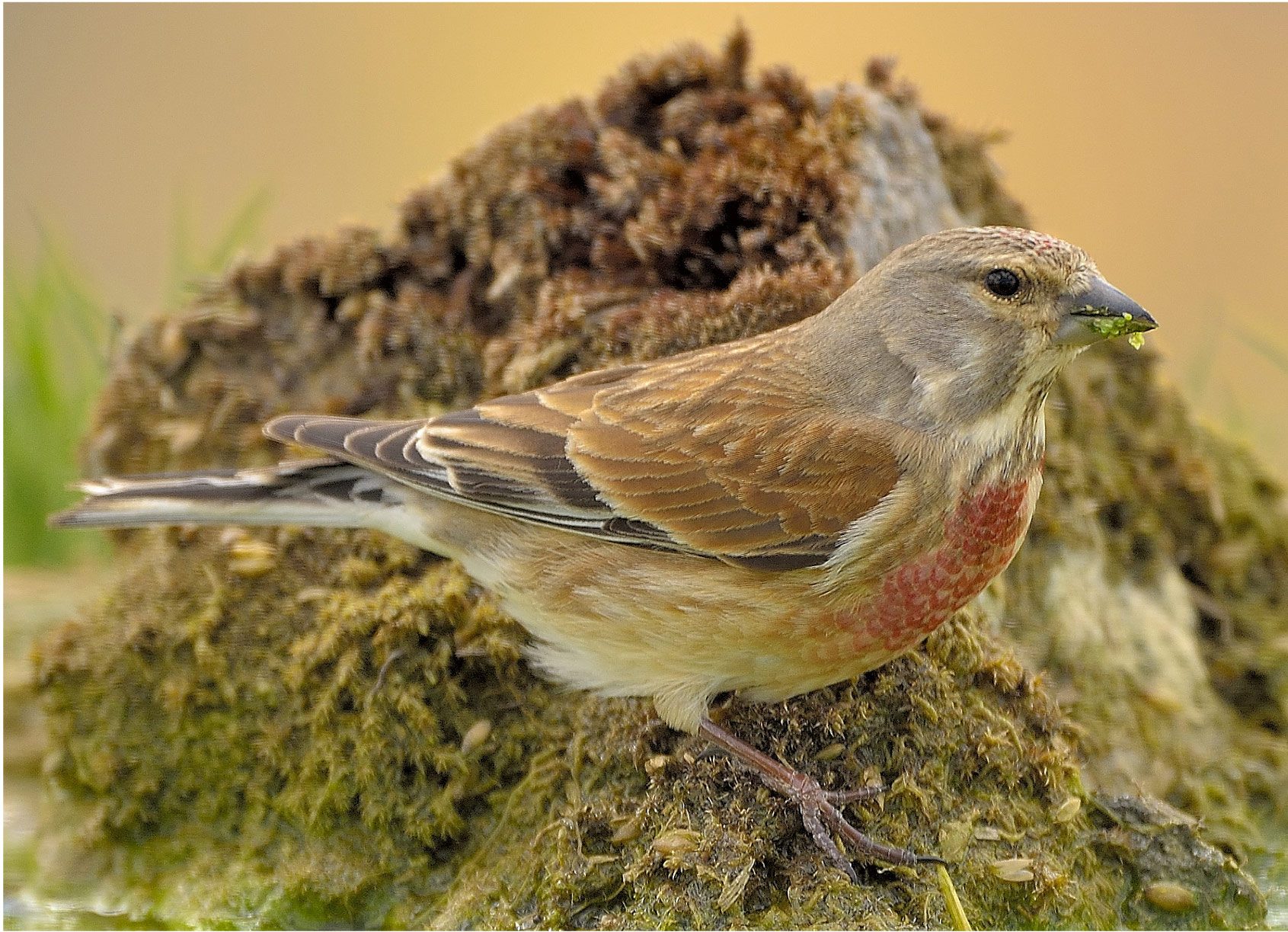
Linnet(Linaria cannabina)
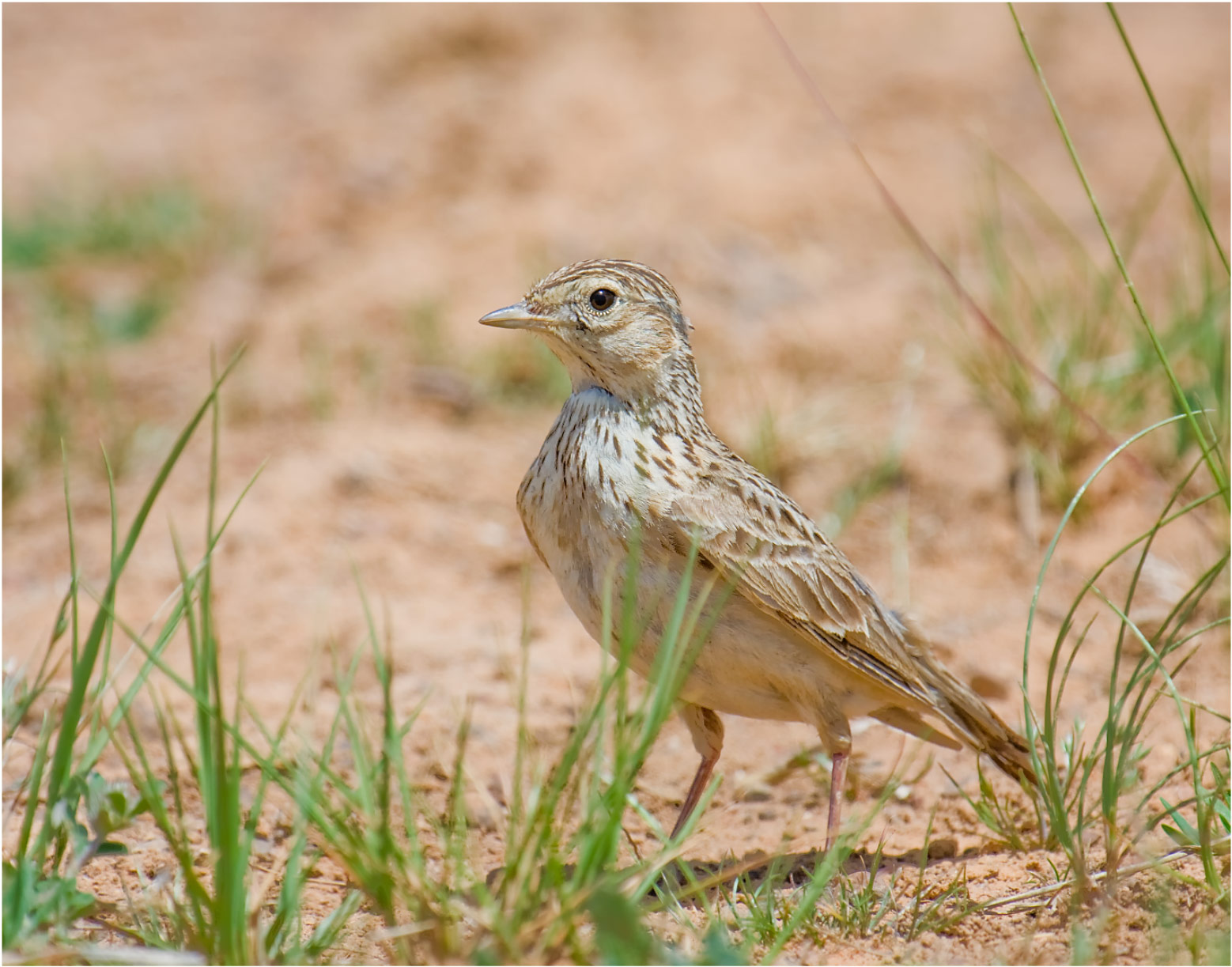
Skylark(Alauda arvensis)
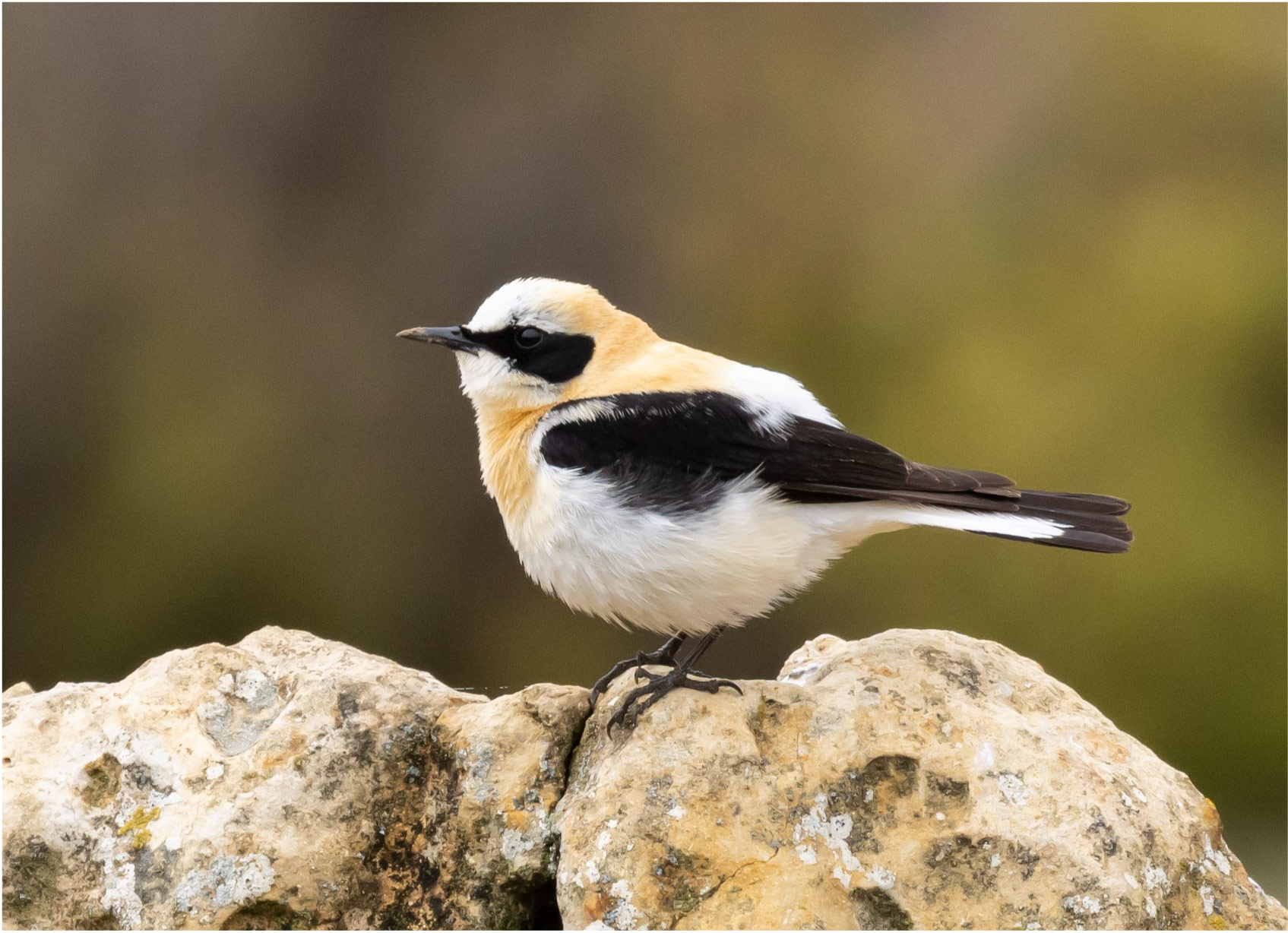
Northern Wheatear(Oenanthe hispanica)
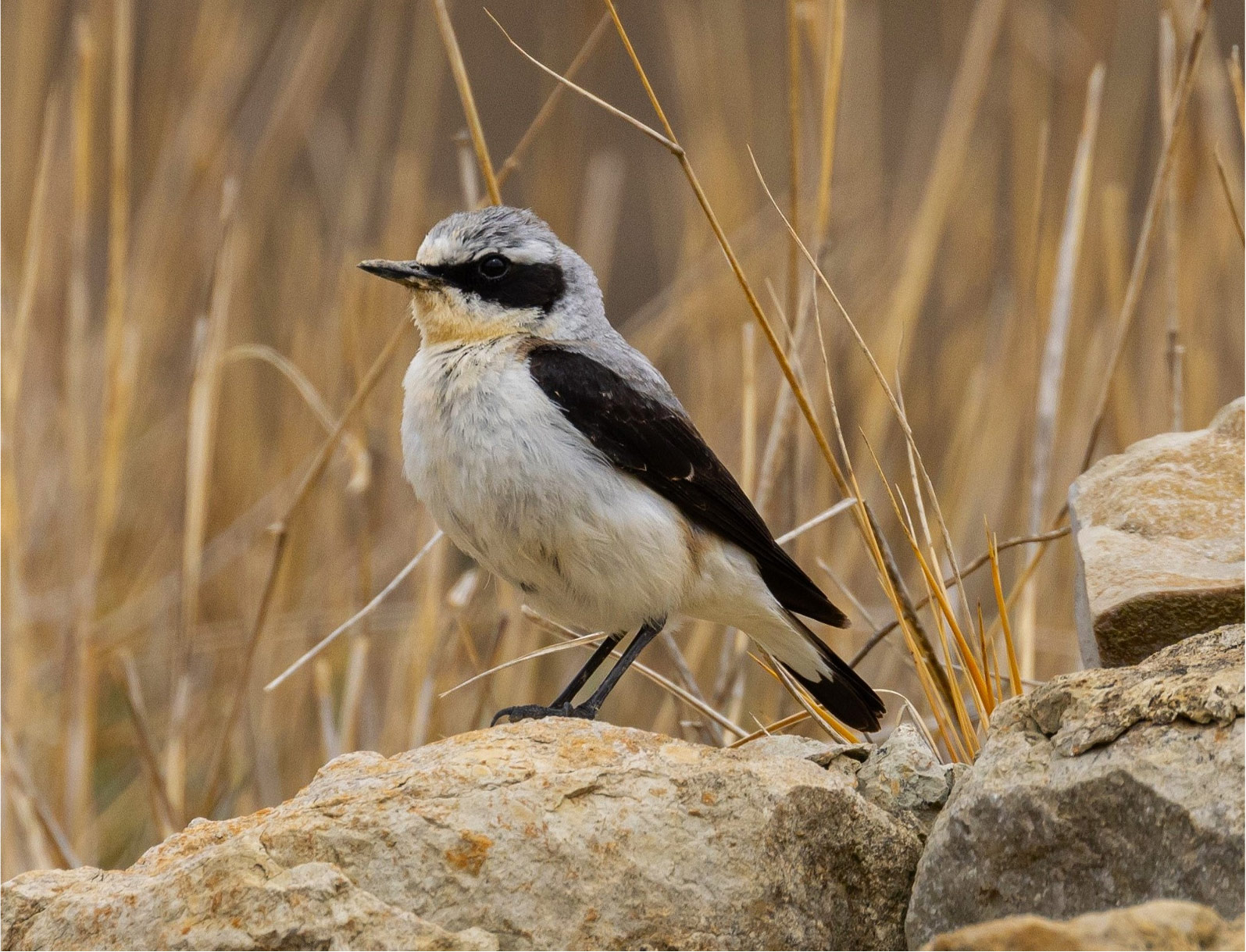
Northern pintail(Oenanthe oenanthe)
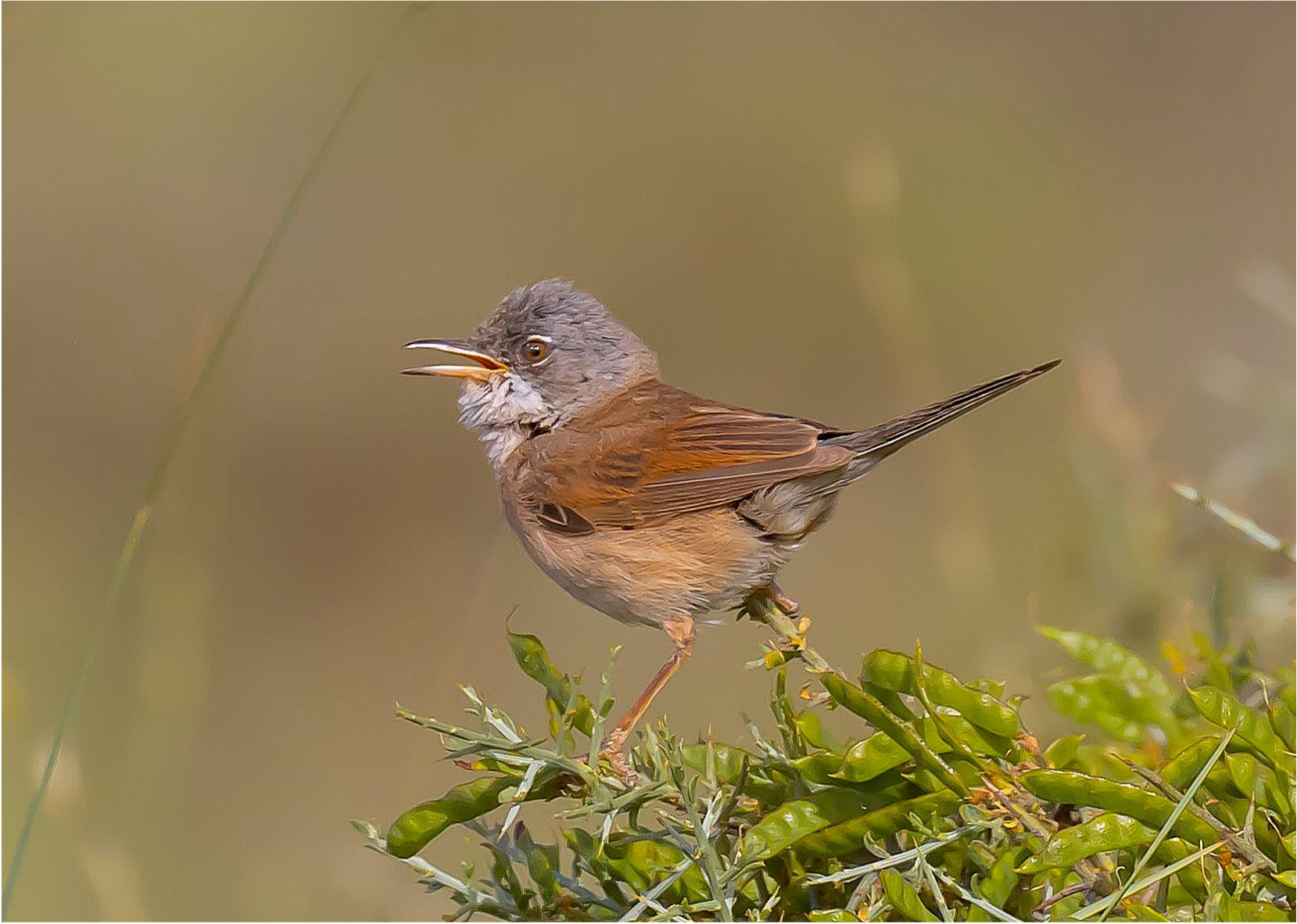
Blackcaps (Warblerconspicillata)
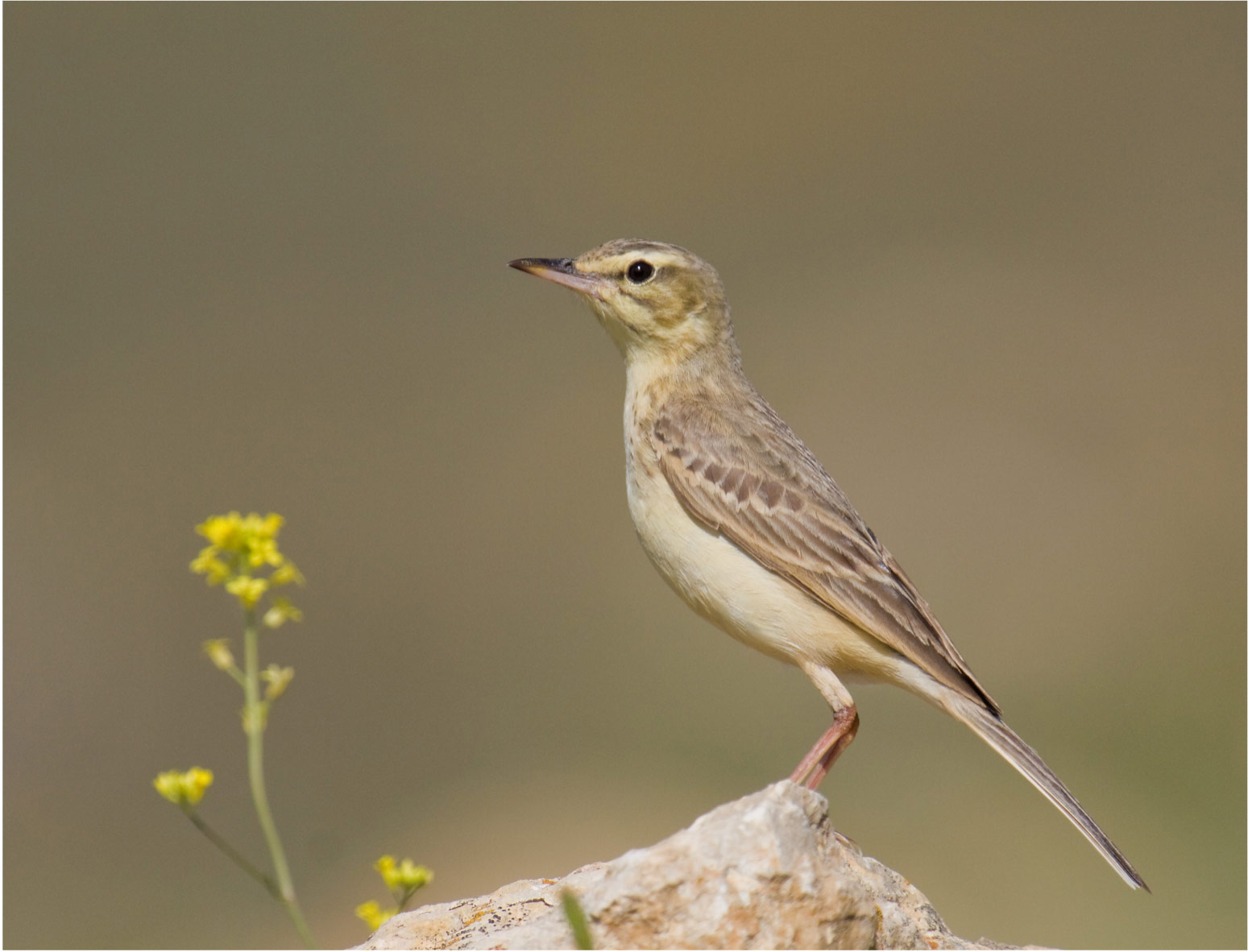
Tawny Pipit(Anthus campestris)
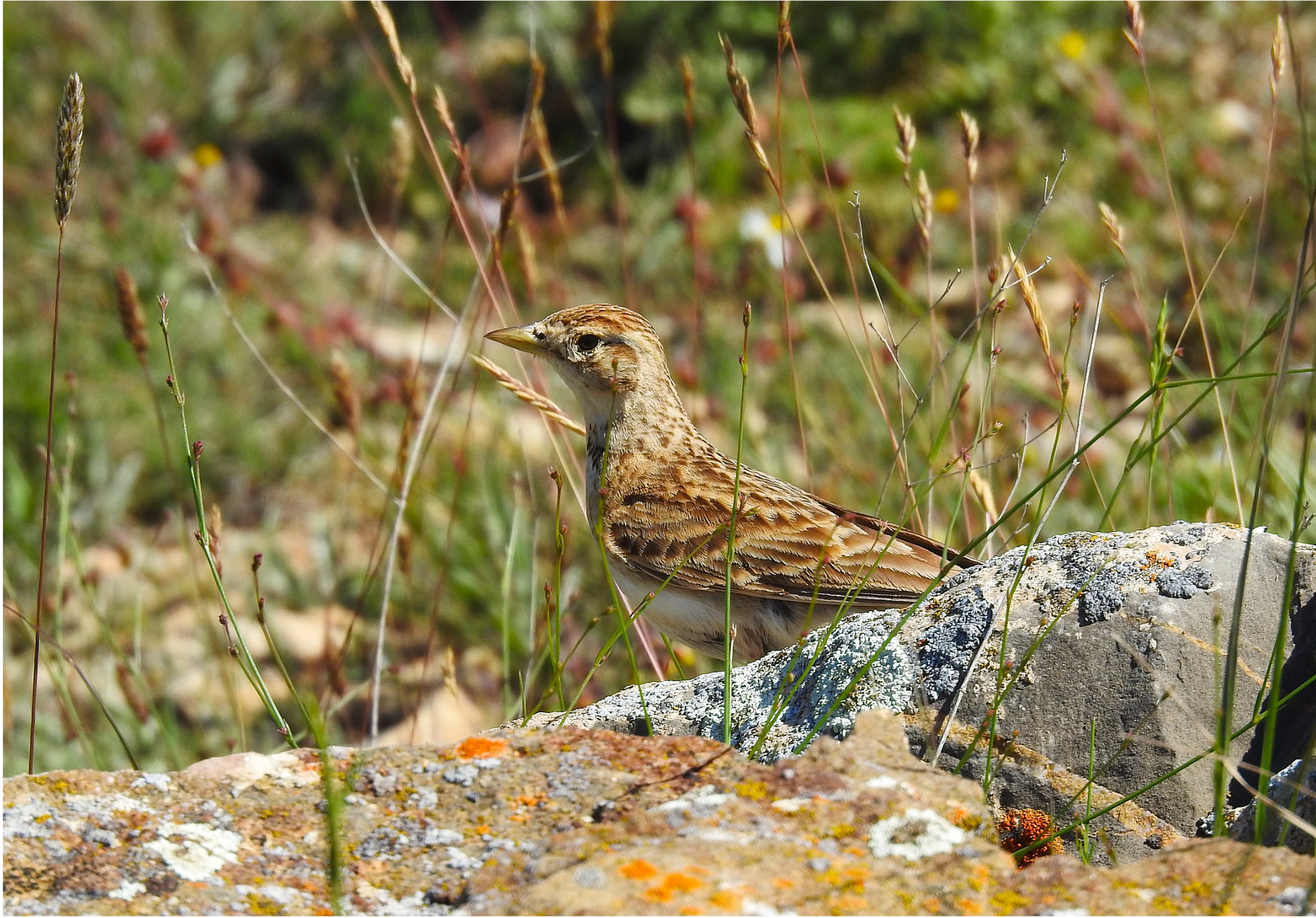
Common ground cover(Calandrella brachydactyla)
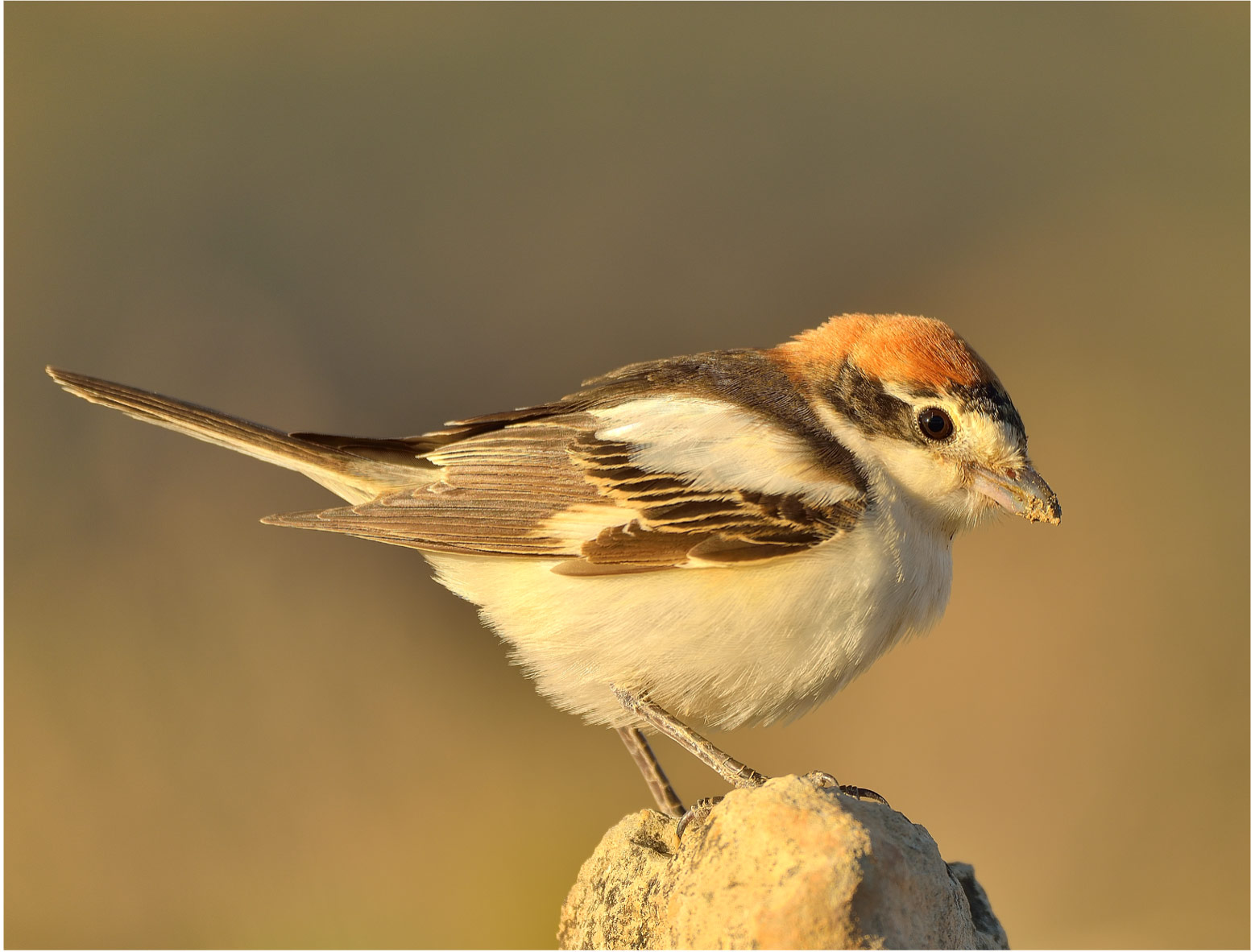
Loggerhead Shrike(Lanius senator)
Eurasian skylark, black-bellied sandgrouse, stone-curlew, lark, shrike, house sparrow, linnet, wheatear, wheatear, Tawny pipit, woodchat pipit, woodchat shrike, hoopoe, blackcap, blackcap, blackburnian warbler, common chaffinch, chaffinch, short-toed treecreeper, crested tit, great tit, coal tit, coal tit, coal tit, great spotted woodpecker, rock bunting, red-billed chough, raven, crow, crow, Montagu’s harrier and hen harrier