Birdwatching
Silence, wind and wings:
the Maestrazgo in its natural essence.
What is birdwatching?
Ornithology, in the world of tourism, is known as birding or birdwatching. Birdwatching offers a way of enjoying nature that combines contemplation, learning and respect. It is an activity that consists of contemplating and studying wild birds in their natural habitat. It is practiced as an outdoor hobby, often as a form of ecotourism, and may involve the use of binoculars, field guides and patience to identify different species by their plumage or song.
There are several key aspects to birding:
Activity: Focuses on the observation and study of birds in their environment, either for leisure, as science or as a form of ecotourism.
Objective: Can range from a leisurely pastime to a more scientific interest, involving species recognition and recording.
Common tools: Binoculars, bird guides and sometimes cameras are common equipment for this activity.
Requirements: It does not require advanced training; it is an activity accessible to amateurs, although it is also practiced by professional ornithologists.
Impact: It has given rise to a growing specialized tourism, known as ornithological tourism, which promotes the enjoyment of nature and conservation.
Locations: It can be practiced in a wide variety of natural settings, such as parks, mountains, coasts and wetlands.

Main species present in Maestrazgo
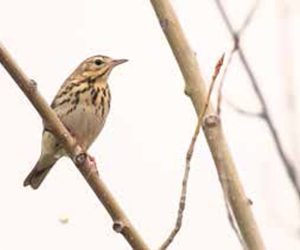
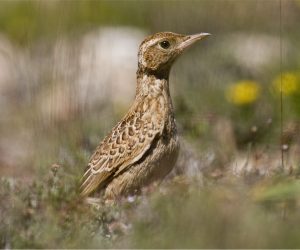
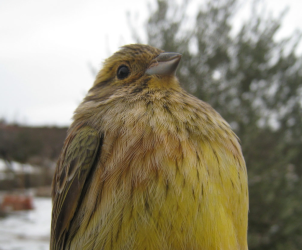
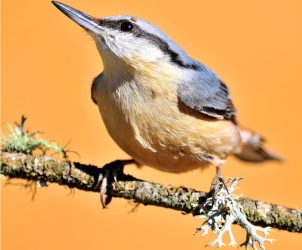
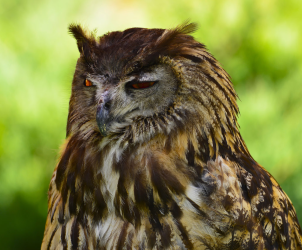
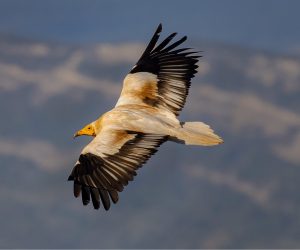
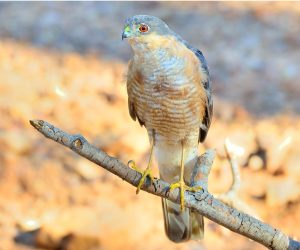
This is a selection of the 25 essential birds to watch in Maestrazgo.
For more information https://seo.org/
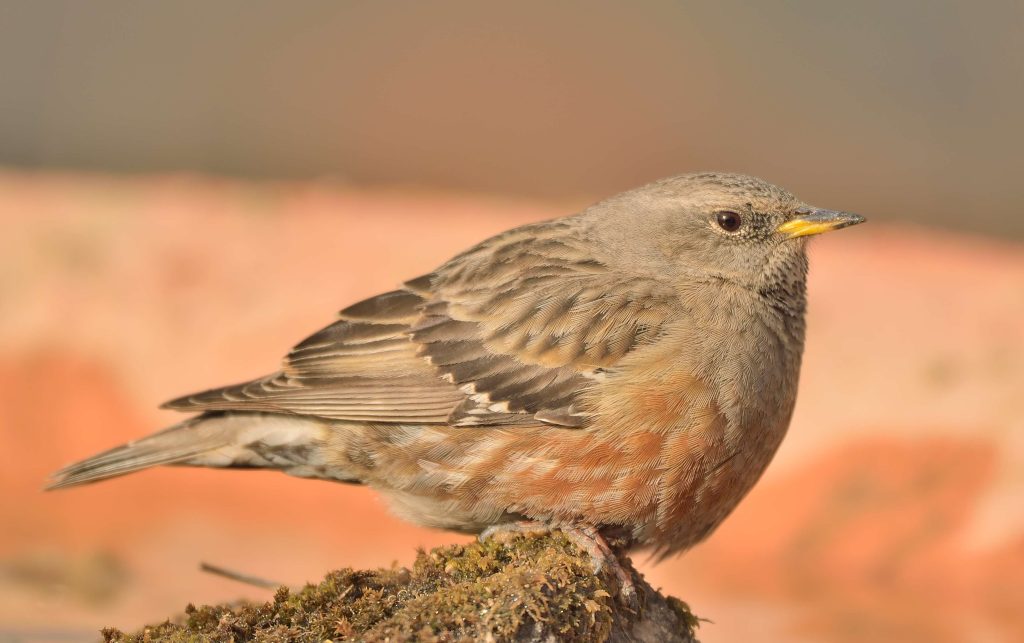
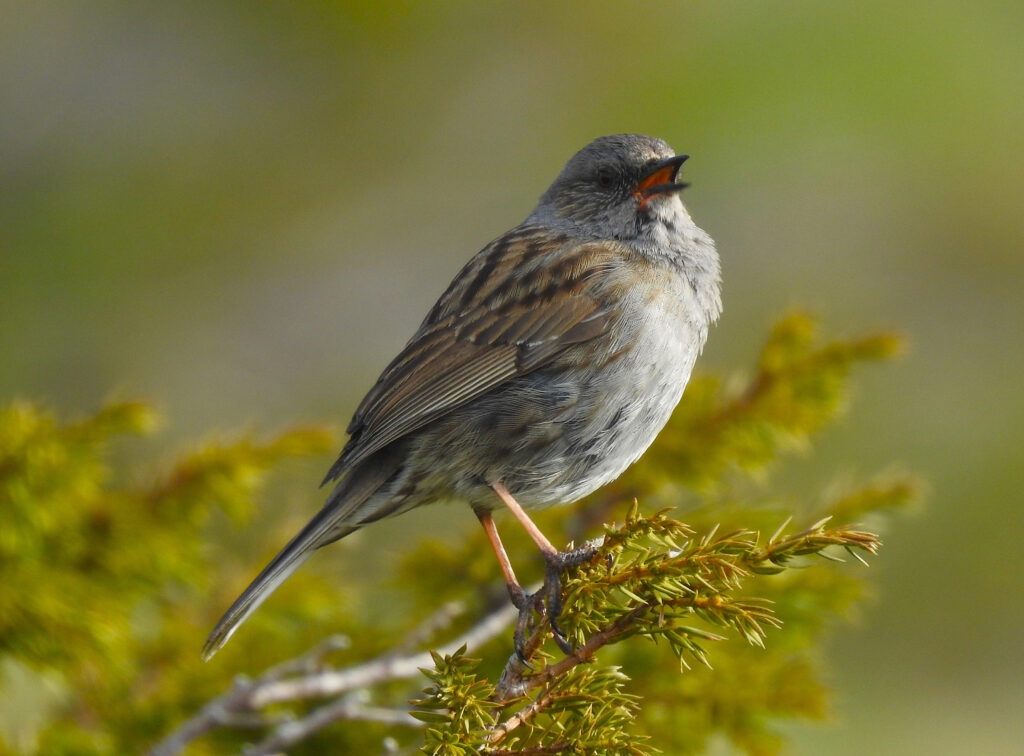
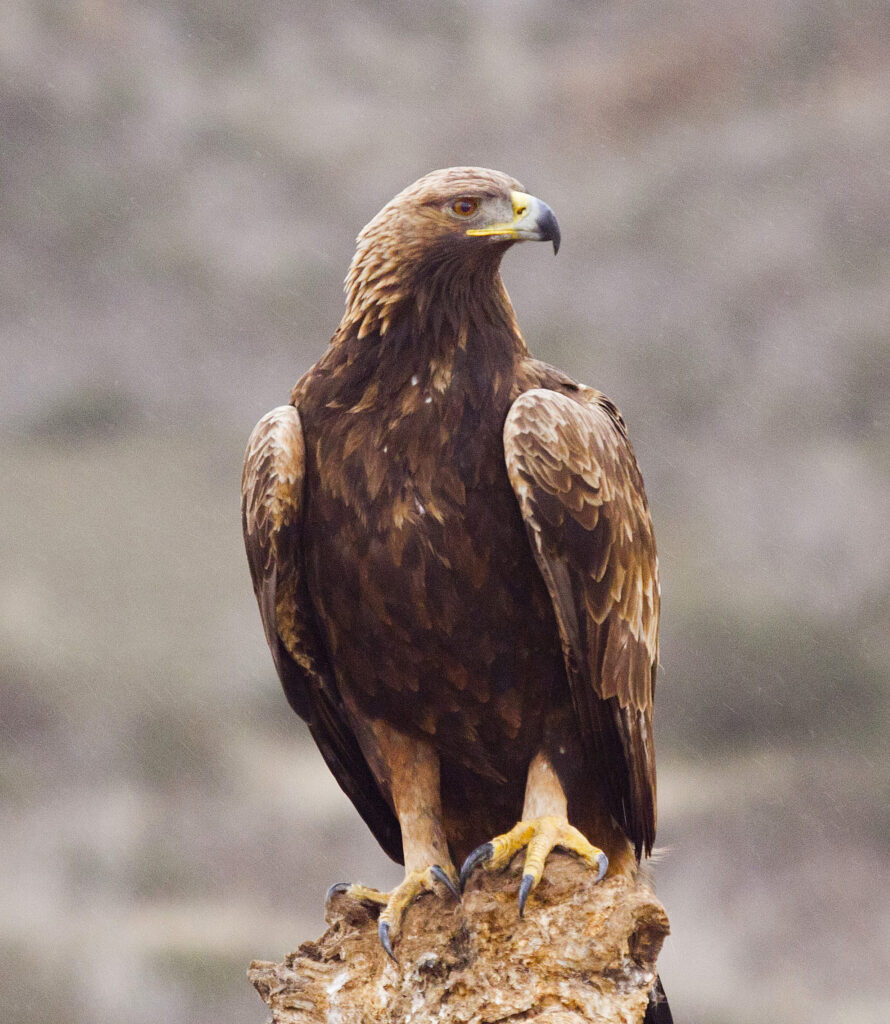
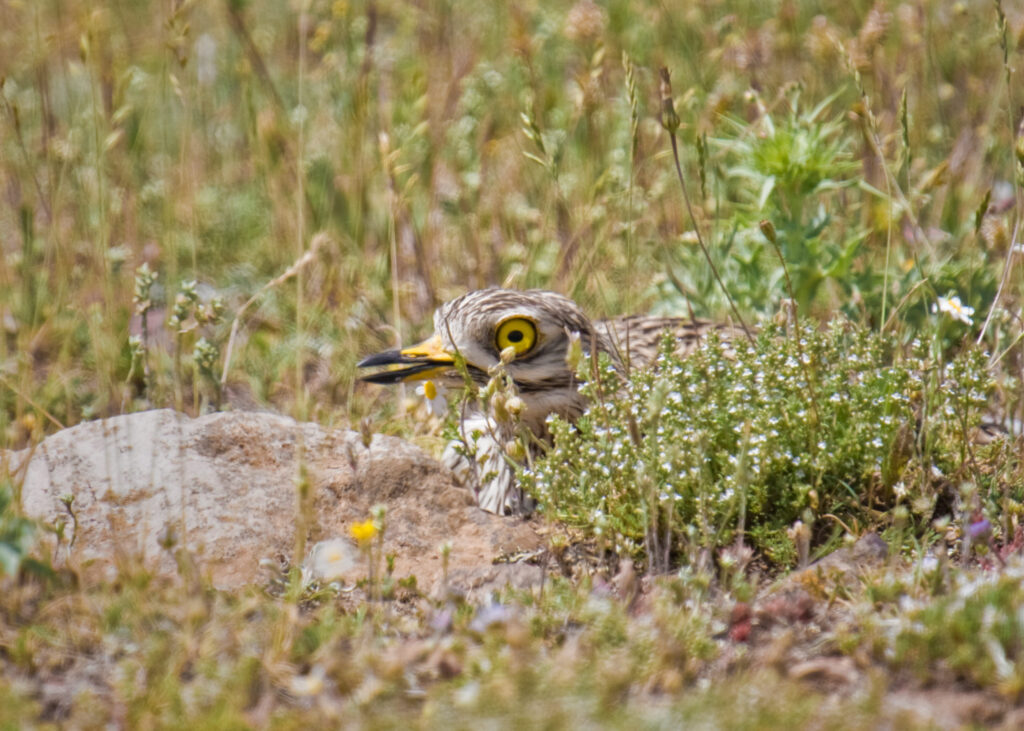
Why Maestrazgo is a special place for birdwatching
Maestrazgo is a privileged area for bird watching. The landscape, little humanized, allows the observation of species in rocky habitats, pine forests, ravines, riverbanks and in the Santolea reservoir.
Maestrazgo has several strong points:
Maestrazgo (Teruel) is a region of more than 1,200 km² located in the south of Aragon, in the heart of the Iberian Mountain Range, characterized by its mountainous relief and rugged landscapes. Its altitude varies from 500 meters in areas close to Bajo Aragón to almost 2,000 meters in the Sierra de Gúdar, which generates a great climatic and ecological diversity.
This territory stands out for its high environmental value and has important figures of natural protection. Among them, four Natural Monuments stand out:
- The Crystal Caves of Molinos
- The Organs of Montoro
- The source of the Pitarque River
- The Fonseca Bridge
In addition, the Maestrazgo is part of the Natura 2000 Network, with key protected areas such as:
- The Río Guadalope-Maestrazgo SPA (Special Protection Area for Birds)
- The ZECs (Special Conservation Areas):
- Maestrazgo and Gúdar Mountains
- Muelas and Guadalope Straits
- Las Truchas Wadi
- Baticambras Cave
These protected areas aim to conserve natural habitats and species of community interest, making Maestrazgo an ideal destination for nature tourism.
The Maestrazgo is home to a great diversity of natural ecosystems, the result of its altitudinal and climatic variety.
- In the highest areas, mountain forests predominate, with extensive pine forests of Scots pine and black pine, accompanied by valleys and high mountain pastures. There are also relict deciduous forests in shady areas.
- Traditional Mediterranean ecosystems, such as kermes oak, juniper and oak groves, have been historically transformed by human activity, although they are still present in the landscape.
- At medium and low altitudes we find thickets of black juniper and juniper and Aleppo pine forests in regeneration after the 1994 fire.
- The Guadalope River and its tributaries have shaped impressive gorges and ravines, where dense riparian forests grow, creating one of the most spectacular landscapes of Maestrazgo.
- Another unique ecosystem are the high mountain plateaus, extensive elevated plains that are home to unique species of fauna, especially birds.
The Maestrazgo is a privileged enclave for birdwatching in Aragon, thanks to its great diversity of habitats.
The presence of species typical of Eurosiberian climates, unusual in the Mediterranean environment, such as:
- Red-backed Shrikes
- The willow warbler
- The common accentor
The forests are home to forest birds such as the Serrano greenfinch, a species characteristic of the mountains of southeastern Europe.
The rocky cliffs are home to important rock-dwelling birds, among them:
- The bearded vulture, in the process of expanding in the area
- Bonelli’s eagle, an endangered species
We also find waterfowl in rivers and an outstanding presence of steppe birds, such as the meadow lark (known as the “ghost of the moor”), one of the most endangered species in Europe.
Thanks to this ornithological richness, Maestrazgo is a reference destination for birdwatching in Spain.
- It is not an excessively crowded territory, so the visitor can have a more intimate and less crowded experience, something valued by the most demanding birdwatchers.
- A good network of rural trails and roads allow you to get close to canyons, cliffs and riverbanks.
- The dispersion of population centers in Maestrazgo favors that the observation areas are relatively close to rural lodgings, reducing travel times.
Ornithological routes
The Maestrazgo region has signposted several ornithological routes through which you can
get to know different ecosystems with their corresponding types of birds.